
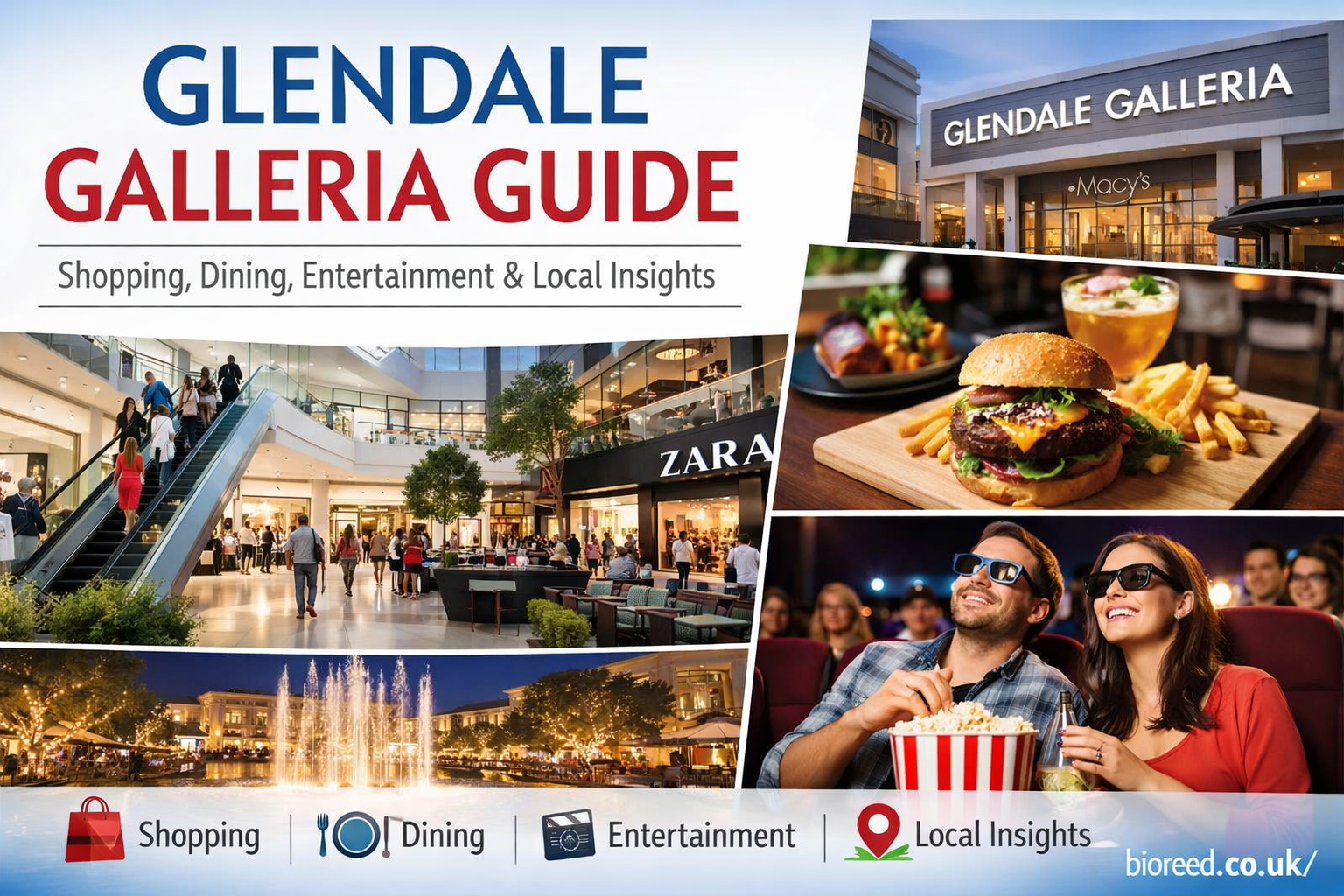
Glendale Galleria: The Definitive Guide to Shopping, Dining, and Experiences
Glendale Galleria is more than a shopping destination; it is a social, cultural, and commercial landmark that reflects the evolving lifestyle of Southern California. Situated at the crossroads of retail innovation and community engagement, this center attracts locals, tourists, families, and professionals seeking convenience, variety, and experience-driven shopping.
What makes this destination especially compelling is how it balances scale with accessibility. From global fashion brands to everyday essentials, the environment feels curated rather than overwhelming, offering visitors a sense of familiarity while still delivering discovery.
The Evolution and Historical Significance
The development of this retail complex mirrors broader shifts in American consumer behavior, particularly the move from transactional shopping toward experiential destinations. Over time, expansions and renovations have transformed it from a traditional mall into a mixed-use hub that prioritizes comfort, aesthetics, and flexibility.
Understanding this evolution helps explain its lasting relevance. While many malls struggled to adapt to e-commerce pressure, Glendale Galleria invested in modernization, tenant diversity, and strategic partnerships that kept foot traffic strong and brand perception current.
Architectural Design and Spatial Layout
glendale galleria The architectural layout emphasizes openness, natural light, and intuitive navigation, reducing the fatigue often associated with large retail centers. Wide corridors, clear sightlines, and thoughtfully placed rest areas encourage longer visits without sensory overload.
This design philosophy also supports social interaction. Seating clusters, visual anchors, and smooth transitions between retail zones create a space that feels as suitable for casual meetups as it does for purposeful shopping trips.
Retail Mix and Brand Diversity
One of the defining strengths of Glendale Galleria is the breadth of its retail portfolio, spanning luxury labels, mid-market fashion, specialty boutiques, and essential service providers. This diversity allows the center to serve multiple demographics without diluting its brand identity.
Shoppers benefit from a layered experience where aspirational purchases coexist with practical needs. This balance increases repeat visits, as customers can accomplish errands while still enjoying moments of indulgence and exploration.
Anchor Stores and Flagship Tenants
Anchor tenants play a stabilizing role by driving consistent traffic and setting expectations for quality and scale. These large-format retailers often serve as reference points, helping visitors orient themselves within the complex.
Beyond functionality, flagship stores also signal credibility. Their presence reassures new visitors that the destination meets national retail standards while still allowing room for regional character.
Dining Options and Culinary Variety
Dining at this center extends far beyond quick-service meals, offering a spectrum that includes international cuisine, casual eateries, and sit-down restaurants. This variety transforms shopping trips into full-day experiences rather than brief errands.
Food choices also reflect changing consumer preferences toward quality, customization, and cultural diversity. Visitors can easily accommodate different dietary needs without leaving the property.
Entertainment and Leisure Experiences
Entertainment offerings provide a counterbalance to retail, encouraging guests to linger and return. Cinemas, seasonal events, and interactive installations add layers of engagement that cannot be replicated online.
These leisure elements are particularly important for families and groups, as they create shared experiences that strengthen emotional connections to the location.
Visitor Demographics and Audience Appeal
The visitor profile is notably diverse, ranging from local residents and office workers to international tourists exploring the Los Angeles area. This mix contributes to a dynamic atmosphere that feels active throughout the week.
Understanding these demographics helps explain the tenant strategy. Brands and services are selected to appeal across age groups, income levels, and cultural backgrounds.
Accessibility and Transportation
Accessibility is a major factor in the center’s sustained popularity. Proximity to major roadways and public transportation options makes it reachable without excessive planning or travel time.
Parking infrastructure and pedestrian-friendly entrances further reduce friction, allowing visitors to focus on their experience rather than logistics.
Relationship With the Surrounding Community
The mall functions as a community space as much as a retail one, hosting events, promotions, and seasonal activities that resonate with local audiences. This community integration builds loyalty beyond transactional value.
By aligning with local culture and rhythms, the destination avoids feeling generic. Instead, it reflects the character and expectations of its surrounding neighborhoods.
Economic Impact on Glendale
As a major employer and commercial driver, the center contributes significantly to the local economy. Jobs span retail, management, maintenance, marketing, and hospitality, creating a broad employment ecosystem.
Indirect benefits also extend to nearby businesses, hotels, and services that benefit from increased visitor traffic and regional visibility.
Comparison With Nearby Shopping Centers
When compared with other regional malls, this destination distinguishes itself through balance rather than extremes. It avoids over-indexing on luxury or discount, choosing instead a flexible middle ground.
This positioning allows it to compete effectively across economic cycles, maintaining relevance even as consumer confidence fluctuates.
| Feature Area | Glendale Galleria | Typical Regional Mall | Luxury-Focused Mall |
| Retail Mix | Broad and balanced | Mid-range heavy | High-end dominant |
| Dining Options | Diverse and global | Limited variety | Upscale only |
| Community Events | Frequent and local | Occasional | Rare |
| Accessibility | High | Moderate | Variable |
Digital Integration and Omnichannel Strategy
Modern retail success depends on seamless integration between physical and digital experiences. Tenants increasingly support online ordering, in-store pickup, and mobile engagement.
This hybrid approach reflects how consumers actually shop today, blending convenience with tactile, in-person discovery.
Seasonal Events and Promotional Cycles
Seasonal programming plays a critical role in maintaining excitement and relevance. Holiday décor, pop-up shops, and themed events create urgency and novelty.
These cycles also give repeat visitors new reasons to return, reinforcing habitual engagement rather than one-off visits.
Safety, Cleanliness, and Visitor Comfort
A well-maintained environment directly influences perception and dwell time. Clean facilities, visible security, and attentive staff contribute to a sense of ease.
This focus on comfort supports families, older visitors, and tourists who prioritize predictable, stress-free experiences.
Sustainability and Environmental Considerations
Retail centers increasingly face scrutiny around environmental impact. Energy-efficient lighting, waste reduction programs, and responsible sourcing are becoming standard expectations.
Progress in these areas signals long-term thinking and alignment with consumer values, particularly among younger demographics.
The Role of Glendale Galleria in Modern Retail
In discussions about the future of malls, this destination often serves as an example of adaptation rather than decline. Its success underscores the importance of flexibility, experience, and relevance.
As one retail analyst noted, “Places that evolve with their communities don’t just survive change, they shape it.”
Common Misconceptions About Large Shopping Centers
A frequent misconception is that large malls are impersonal or outdated. In reality, thoughtful design and programming can foster connection and comfort.
This example demonstrates how scale, when managed well, can enhance rather than diminish the visitor experience.
Practical Tips for First-Time Visitors
First-time guests benefit from planning anchor visits and dining breaks to avoid fatigue. Identifying priority stores helps maximize time without feeling rushed.
Comfortable footwear, flexible timing, and openness to exploration often lead to the most satisfying experiences.
Future Outlook and Development Trends
Looking ahead, retail destinations are likely to further integrate entertainment, wellness, and service-oriented offerings. This evolution reflects broader lifestyle shifts rather than short-term trends.
Glendale Galleria is well-positioned to adapt, given its history of reinvestment and responsiveness to consumer behavior.
Conclusion
Glendale Galleria stands as a model for how retail spaces can remain relevant in a rapidly changing landscape. Its blend of commerce, culture, and community engagement creates value that extends beyond shopping alone.
For visitors, tenants, and the surrounding city, the destination continues to function as a shared space where convenience and experience coexist.
Frequently Asked Questions
What makes Glendale Galleria different from other malls?
Glendale Galleria distinguishes itself through a balanced retail mix, strong community integration, and a design that encourages longer, more comfortable visits.
Is Glendale Galleria suitable for families?
Yes, Glendale Galleria offers dining, entertainment, and open spaces that accommodate families and multi-generational groups.
How much time should visitors plan to spend?
Most visitors find that several hours allow them to explore Glendale Galleria comfortably while enjoying meals and entertainment.
Does Glendale Galleria support modern shopping options?
Many retailers at Glendale Galleria offer omnichannel services such as online ordering with in-store pickup for added convenience.