
Python 54axhg5: The Complete Enterprise Guide to Architecture, Use Cases, and Performance Strategy
Python ecosystems continue to evolve at a remarkable pace, and emerging frameworks and methodologies are reshaping how developers design scalable systems. Among the most discussed innovations in advanced development circles is python 54axhg5—a concept gaining traction for its architectural flexibility, automation capabilities, and enterprise-grade adaptability.
This comprehensive guide explores the technical foundations, strategic applications, and optimization pathways that define python 54axhg5. Whether you’re a systems architect, automation engineer, or growth-focused tech leader, this resource is designed to function as a definitive reference for implementation, scaling, and long-term performance planning.
Foundations of Python 54axhg5
Python 54axhg5 represents a structured development paradigm built on modular scripting, adaptive execution layers, and automation-ready integration patterns. Its core philosophy centers on extending Python’s native versatility into high-efficiency production environments without adding unnecessary operational complexity.
At a foundational level, python 54axhg5 emphasizes interoperability. It is engineered to connect data systems, machine processes, and distributed services while maintaining code readability and deployment stability across environments.
Architectural Design Principles
The architecture behind python 54axhg5 is intentionally layered to support both micro-level scripting and macro-scale orchestration. This allows organizations to deploy lightweight utilities or full enterprise pipelines using the same structural philosophy.
Its modular blueprint ensures that each functional component—data handling, automation logic, or API communication—can scale independently without compromising system cohesion or maintainability.
Core Functional Capabilities
One of the defining strengths of python 54axhg5 is its automation depth. Developers can build self-executing workflows capable of monitoring triggers, processing inputs, and generating outputs without manual intervention.
Beyond automation, the framework supports advanced data parsing, asynchronous execution, and environment-adaptive scripting—making it suitable for real-time operations and predictive processing tasks.
Enterprise Implementation Strategy
Organizations adopting python 54axhg5 typically begin with process mapping. Identifying repetitive workflows or data bottlenecks creates immediate opportunities for automation deployment.
From there, staged integration ensures minimal disruption. Teams introduce controlled modules, validate performance, and then expand implementation across departments or infrastructure layers.
Developer Experience and Workflow Efficiency
Python 54axhg5 enhances developer productivity by standardizing reusable script components. Engineers spend less time rewriting logic and more time optimizing performance outcomes.
Its compatibility with existing Python libraries also reduces onboarding friction, enabling teams to adopt the framework without abandoning familiar development environments.
Performance Optimization Mechanics
Performance tuning within python 54axhg5 revolves around execution efficiency and resource allocation. Scripts are structured to minimize idle cycles while maximizing throughput under load conditions.
Advanced caching logic and asynchronous task handling further enhance runtime responsiveness, especially in data-intensive or API-dependent systems.
Security and Compliance Considerations
Security architecture is embedded directly into python 54axhg5 workflows. Encryption protocols, credential vaulting, and access segmentation are integrated at the scripting level.
This design ensures compliance alignment for industries handling sensitive data, including finance, healthcare, and enterprise SaaS operations.
Integration With Data Ecosystems
Python 54axhg5 thrives in data-rich environments. It can connect to structured databases, cloud warehouses, and streaming pipelines without requiring extensive middleware layers.
Its data transformation capabilities allow organizations to standardize, enrich, and redistribute datasets across operational systems in real time.
Automation at Scale
Scaling automation with python 54axhg5 involves orchestrating multiple scripts into synchronized execution chains. These chains can manage logistics, analytics, reporting, and alerting simultaneously.
This orchestration capability transforms isolated automations into cohesive digital workforce systems capable of operating 24/7 without degradation.
Comparative Framework Analysis
Below is a structured comparison highlighting how python 54axhg5 differs from conventional Python automation approaches:
| Capability Area | Traditional Python Workflows | Python 54axhg5 Framework |
| Automation Depth | Task-level scripting | Multi-layer orchestration |
| Scalability | Manual expansion | Modular scaling architecture |
| Integration | Library-dependent | Native system connectors |
| Performance Tuning | Script optimization | Execution-layer optimization |
| Security | Add-on tooling | Embedded compliance design |
| Maintenance | Script-by-script | Centralized workflow control |
This comparison illustrates why python 54axhg5 is increasingly viewed as a strategic infrastructure layer rather than just a scripting methodology.
Real-World Use Case Scenarios
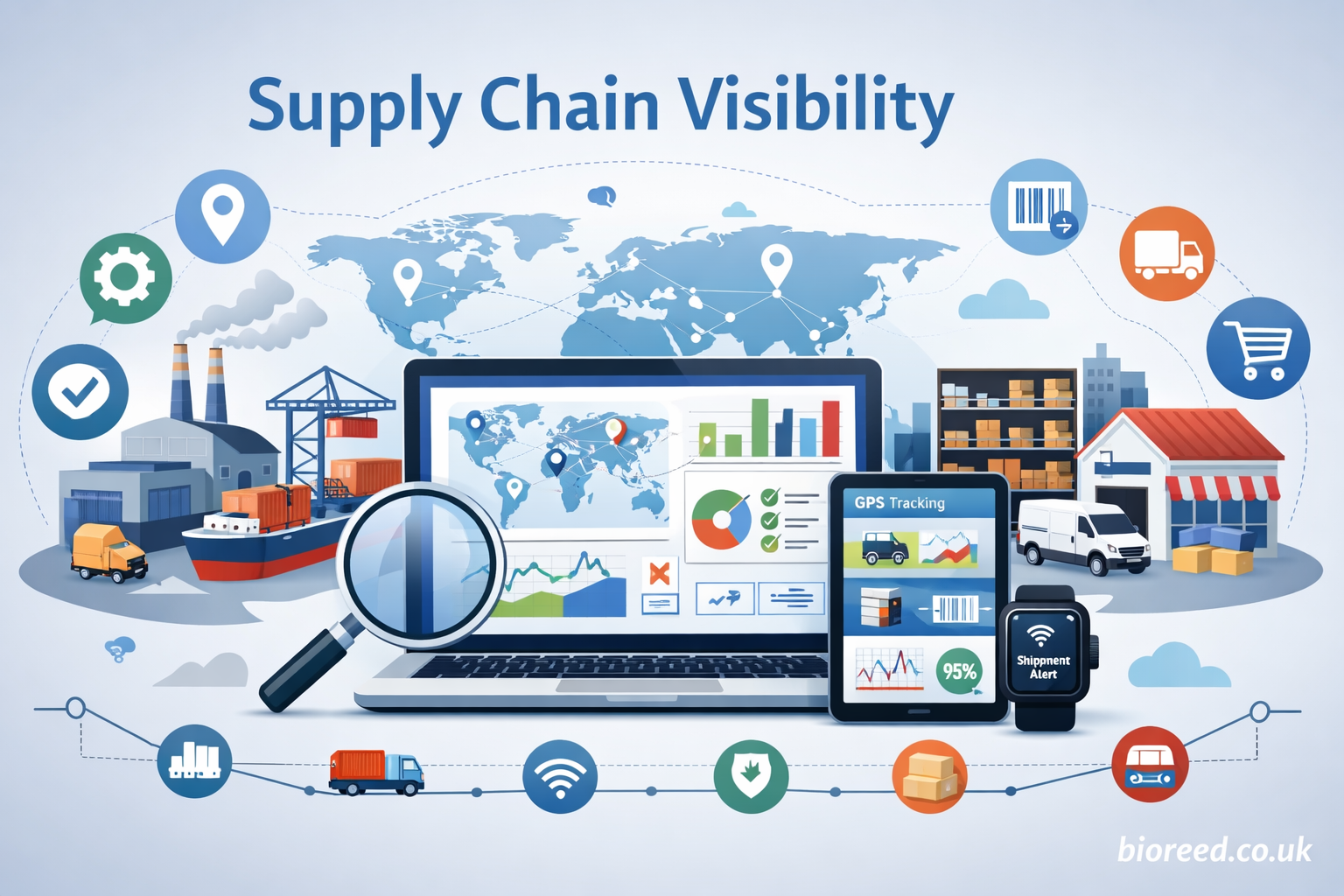
In logistics environments, python 54axhg5 powers shipment tracking automation, route optimization, and predictive delay modeling. These systems operate continuously, updating dashboards and triggering alerts autonomously.
In marketing technology stacks, it manages campaign data ingestion, attribution modeling, and performance reporting—eliminating manual spreadsheet workflows entirely.
AI and Machine Learning Alignment
Python 54axhg5 integrates seamlessly with machine learning pipelines. It can automate dataset preparation, model retraining triggers, and inference deployment workflows.
This alignment reduces the operational gap between data science experimentation and production deployment, accelerating time-to-insight.
DevOps and Infrastructure Automation
Within DevOps ecosystems, python 54axhg5 scripts manage environment provisioning, deployment validation, and uptime monitoring.
Its event-driven execution model ensures infrastructure responses occur instantly when performance thresholds or anomalies are detected.
Cloud-Native Deployment Readiness
Cloud adoption strategies benefit significantly from python 54axhg5 due to its container-friendly execution structure. Scripts can run within serverless functions or container clusters.
This flexibility enables cost optimization by aligning compute usage directly with workload demand.
Observability and Monitoring
Python 54axhg5 includes built-in logging hierarchies and telemetry hooks. These features allow engineers to monitor execution paths, latency metrics, and failure triggers.
Enhanced observability reduces troubleshooting time and supports predictive maintenance strategies.
Governance and Workflow Control
Enterprise governance requires visibility and control over automation behavior. Python 54axhg5 introduces centralized policy enforcement across scripts.
Administrators can define execution permissions, audit trails, and escalation protocols from a single control layer.
Cost Efficiency and ROI Impact
Automation frameworks must justify implementation costs. Python 54axhg5 achieves ROI through labor reduction, error minimization, and operational acceleration.
Organizations often report measurable savings within the first deployment cycle due to reduced manual oversight.
Common Misconceptions
A frequent misconception is that python 54axhg5 replaces traditional development. In reality, it augments engineering workflows rather than displacing them.
Another misunderstanding is complexity. While powerful, its modular learning curve allows gradual adoption without steep retraining requirements.
Strategic Adoption Roadmap
Successful adoption begins with pilot automations. These controlled deployments validate performance and reveal optimization opportunities.
Once validated, enterprises expand python54axhg5 into cross-functional workflows, embedding it into analytics, operations, and infrastructure systems.
Expert Insight
“Automation is no longer a productivity tool—it is the operational backbone of modern enterprises.”
This perspective encapsulates why frameworks like python54axhg5 are becoming foundational rather than optional in digital transformation strategies.
Future Evolution and Innovation Trajectory
The evolution of python54axhg5 is expected to align with AI orchestration, autonomous infrastructure management, and predictive automation ecosystems.
As enterprise systems become more data-reactive, the framework’s role will likely expand from workflow execution to decision support infrastructure.
Conclusion
Python54axhg5 represents a significant leap in how organizations operationalize Python at scale. Its modular design, automation depth, and enterprise adaptability position it as a transformative framework rather than a niche toolset.
For businesses pursuing efficiency, resilience, and intelligent workflow orchestration, python54axhg5 offers a future-ready pathway that aligns technology execution with strategic growth.
FAQ
What is python54axhg5 used for?
Python54axhg5 is used to automate workflows, integrate systems, and orchestrate scalable execution pipelines across enterprise environments.
Is python 54axhg5 suitable for beginners?
While powerful, python54axhg5 can be adopted gradually, allowing beginners to start with small automation scripts before scaling.
How does python54axhg5 improve performance?
Python 54axhg5 optimizes execution through asynchronous processing, resource allocation tuning, and modular workflow design.
Can python 54axhg5 integrate with cloud platforms?
Yes, python 54axhg5 supports containerized and serverless deployments, making it highly compatible with cloud infrastructures.
Is python 54axhg5 secure for enterprise data?
Python54axhg5 includes embedded encryption, credential management, and compliance controls for secure data operations.