
Have you ever noticed spots on your clean dishes or felt like your skin was itchy after a shower? That usually means your water is “hard.” Hard water is full of minerals like calcium that can clog up your pipes and ruin your clothes. To stop this, many people use a special machine in their home. However, simply having the machine isn’t enough. You have to take care of it! Water softener maintenance is the secret to making sure your water stays silky smooth and your appliances last a long time. Think of it like a car; if you don’t change the oil, it eventually stops working. Your softener needs that same kind of love and attention to keep doing its job every single day.
Checking Your Salt Levels Regularly
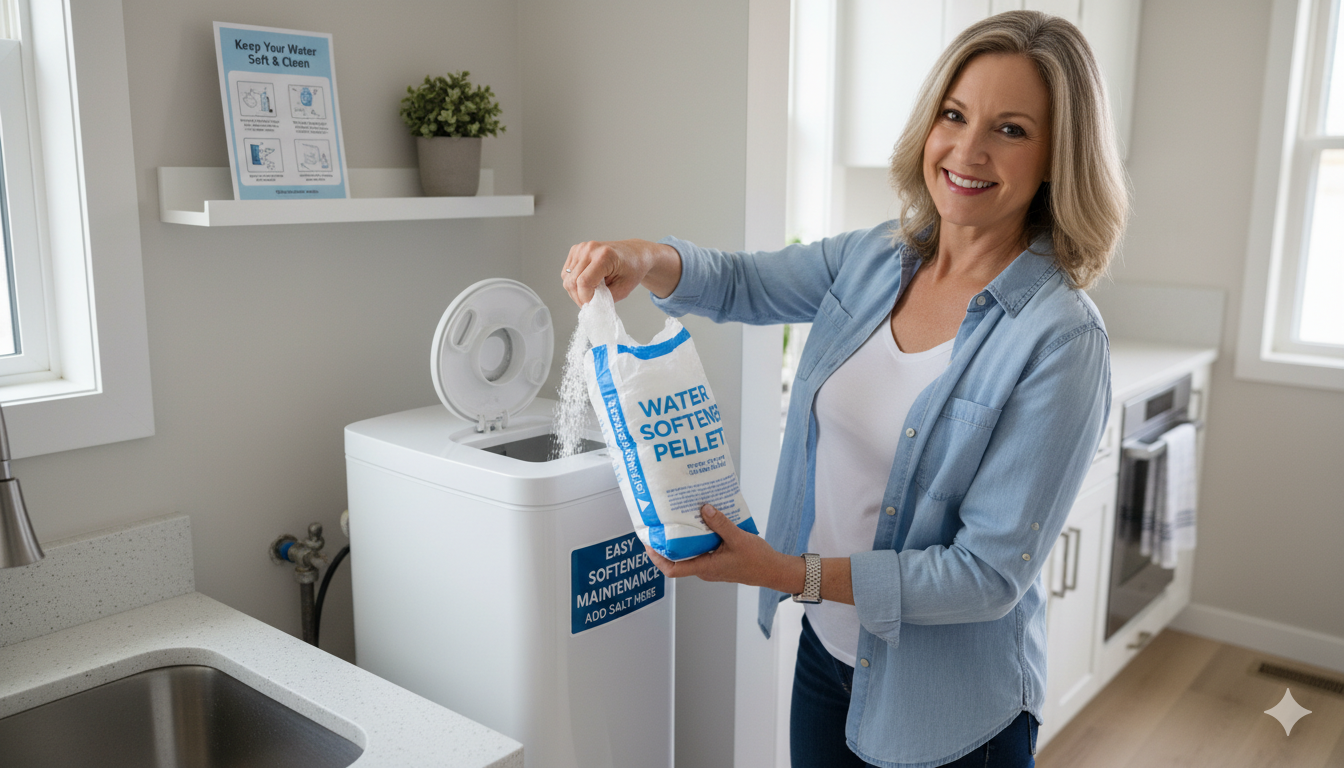
The most important part of water softener maintenance is checking the salt. Inside the big tank, there is a salty liquid called brine. This brine cleans the resin beads that grab the hardness out of your water. If the salt gets too low, the water won’t get soft anymore. I always tell people to peek inside the tank at least once a month. You should see salt sitting above the water level. If you see mostly water, it is time to add more bags. Using high-quality salt pellets is usually better than using rock salt because they stay cleaner. Keeping the salt at the right level is the easiest way to avoid “hard water breakouts” in your kitchen.
Breaking Up Those Pesky Salt Bridges
Sometimes, a hard crust forms inside the salt tank. This is called a salt bridge. It looks like you have plenty of salt, but underneath that top layer, there is actually an empty space filled with air. This happens a lot if the room is humid or if you use cheap salt. During your water softener maintenance routine, take a broom handle and gently poke the salt. If it feels like a solid floor that won’t move, you might have a bridge. Carefully break it up so the salt can fall down into the water where it belongs. I once saw a neighbor wonder why their water was hard for a month, only to find a giant salt bridge hiding inside!
Avoiding the Messy Salt Mush
While bridges are hard crusts, salt mush is a goopy mess at the bottom of the tank. This happens when salt breaks down into tiny crystals that turn into a thick paste. This paste is bad because it blocks the hole that sucks up the brine. If you notice your machine isn’t using any salt at all, mush might be the culprit. Proper water softener maintenance involves cleaning this out if it gets too thick. You might have to scoop out the old salt and give the tank a good rinse with a hose. It is a bit of a dirty job, but it saves you from buying a brand-new machine later on.
Finding the Right Salt for Your System
Not all salt is the same, and picking the right one is a big part of water softener maintenance. You will usually see three types: evaporated, solar, and rock salt. Evaporated salt pellets are the best because they are the purest. They don’t leave behind much dirt or “mush.” Solar salt is also pretty good and comes from evaporated seawater. I usually suggest staying away from rock salt if you can help it. Rock salt has extra minerals and dirt that can make your tank get dirty very fast. Spending a few extra dollars on the clean pellets will save you a lot of cleaning time in the long run.
Cleaning the Brine Tank Every Year
Even if you use the best salt, your tank will eventually get a little bit dirty. Most experts suggest a deep clean at least once a year as part of your water softener maintenance. To do this, let the salt get very low, then empty the rest out. Scrub the inside of the tank with soapy water and a brush. After it is clean, rinse it out completely before adding fresh water and salt. This prevents bacteria from growing and keeps the valves from getting stuck. A clean tank means clean water for your family to drink and bathe in, which is the whole point of having the system!
Using a Resin Cleaner for Better Performance
Inside your softener, there are millions of tiny plastic beads called resin. Over time, these beads can get coated in iron or silt that the salt can’t wash away. To keep things running fast, you can buy a liquid resin cleaner. During your water softener maintenance schedule, you just pour a little bit of this cleaner into the brine well. It helps the beads stay “sticky” so they can grab all the minerals out of your water. If your water starts to smell like iron or looks a little yellow, a resin cleaner is often the magic fix that brings your system back to life.
How to Sanitize Your Water System
Did you know that germs can sometimes hide inside your water pipes? It sounds scary, but it is easy to fix! Every now and then, water softener maintenance should include a “bleach run” or using a special sanitizing kit. You only need a small amount of bleach (usually about two ounces) poured into the brine tank. Then, you tell the machine to start a cleaning cycle. This kills any tiny bugs and keeps the water smelling fresh. Just make sure you follow the directions in your owner’s manual exactly so you don’t use too much. It’s a great way to ensure your family stays healthy.
Adjusting Your Settings for Water Usage
Sometimes your house changes. Maybe a new person moves in, or you start doing more laundry. If your water usage goes up, your water softener maintenance needs to change too. You might need to tell the computer on the machine to clean itself more often. Most modern softeners have a “demand” setting that watches how much water you use. However, if you have an older model, you might have to turn a dial. Checking these settings twice a year helps you save salt and water. You don’t want to waste money cleaning the system if nobody is home, but you also don’t want to run out of soft water.
Watching Out for Clogged Valves
There is a small part in the machine called the nozzle and venturi. It creates the suction that pulls the salt water into the cleaning tank. If this gets clogged with dirt or sand, your water softener maintenance becomes much harder because the machine won’t clean itself. Luckily, you can usually unscrew this part and clean it with a little bit of vinegar and an old toothbrush. If you notice your salt level never goes down, this is the first place you should look. It is a small part, but it is the “heart” of the cleaning process for your entire water system.
The Benefits of a Maintenance Schedule
Staying organized is the best way to keep your water feeling great. I like to write down my water softener maintenance dates on a calendar in the garage. By looking at it, I know exactly when I last added salt or cleaned the tank. Regular care means your water heater won’t fill up with minerals, and your showerheads won’t get crusty. Plus, you will use less soap when you wash your hair! Taking twenty minutes a month to check on your machine can save you thousands of dollars in plumbing repairs. It is a small habit that leads to a much happier and cleaner home life.
Maintenance Quick Reference Table
| Task | Frequency | Why It Matters |
| Check Salt Level | Once a month | Keeps the water soft and minerals away. |
| Break Salt Bridges | Every 2-3 months | Ensures salt can actually reach the water. |
| Clean Brine Tank | Once a year | Removes dirt and prevents clogs. |
| Add Resin Cleaner | Every 6 months | Keeps the resin beads working efficiently. |
| Sanitize System | Once a year | Kills bacteria and keeps water smelling fresh. |
| Check Valves/Nozzle | Twice a year | Ensures the machine can pull in the salt water. |
Frequently Asked Questions (FAQs)
1. How often should I perform water softener maintenance? You should check your salt levels once a month. A deeper cleaning of the tank and the valves should happen about once a year to keep everything running smoothly.
2. Can I use any kind of salt in my machine? While most salt works, evaporated salt pellets are the best. They are very pure and help you avoid water softener maintenance problems like salt mush or clogs.
3. Why is my water still hard even though there is salt in the tank? You might have a salt bridge! This is a hard crust that stops the salt from touching the water. Poke it with a stick to see if it breaks.
4. How long do water softeners usually last? With good water softener maintenance, a high-quality system can last 10 to 15 years. Regular cleaning is the key to a long life.
5. Do I need to hire a pro for maintenance? Most tasks like adding salt or breaking bridges are easy to do yourself. However, if the machine is leaking or the computer breaks, you should call a plumber.
6. What happens if I forget maintenance? If you skip water softener maintenance, your pipes will get clogged with minerals. This makes your water heater work harder and can ruin your expensive appliances.
Conclusion: Keep the Softness Flowing!
Taking care of your water system doesn’t have to be a scary chore. By following these simple steps for water softener maintenance, you are protecting your home and your family. From checking your salt levels to breaking up those annoying bridges, every little bit of effort helps. You will enjoy softer skin, shinier hair, and cleaner clothes for years to come. Remember, a little bit of attention today prevents a big headache tomorrow!