Have you ever watched a pot on the stove and wondered what is actually happening? Most of us use boiling water every single day. Whether you are making a cup of tea or cooking yummy pasta, it is the most basic skill in the kitchen. Even though it seems simple, there is actually some pretty cool science behind those tiny bubbles.
In this guide, we will explore why water gets hot and how to use it safely. I remember the first time I tried to make tea as a kid; I was so nervous about the steam! But once you understand how it works, you realize it is just a natural process. We want to make sure you feel like an expert in your own kitchen. Let’s dive into the bubbly world of heat and hydration!
What Exactly Is Boiling Water?
When we talk about boiling water, we are talking about a big change. Liquid water turns into a gas called steam because of heat. You will see bubbles starting to form at the bottom of your pot. These bubbles rise to the top and pop, releasing energy into the air.
For most people at home, this happens when the temperature hits a specific mark. It is like the water is getting so excited from the heat that it can’t stay still anymore! Using a clear glass pot is a fun way to watch this happen. You can see the tiny “shiver” in the water right before it starts to really move.
The Magic Number: 212 Degrees
Most of the time, boiling water happens at exactly 212 degrees Fahrenheit (or 100 degrees Celsius). This is known as the boiling point. However, did you know that if you live high up on a mountain, water boils at a lower temperature? This is because the air is thinner up there.
It is important to know this because it affects how long your food takes to cook. If the water isn’t hot enough, your potatoes might stay crunchy for a long time! I always suggest using a kitchen thermometer if you want to be super precise. It takes the guesswork out of your favorite recipes.
Why Do We Boil Our Water?
We use boiling water for two main reasons: cooking and cleaning. Heat is amazing at killing tiny germs that might be hiding in the liquid. If you are ever camping and unsure if the stream water is clean, boiling it is the best way to make it safe to drink.
In the kitchen, high heat softens tough foods. Think about a dry noodle; it is hard and snaps easily. But once you drop it into a pot of boiling water, it becomes soft and delicious. It’s like the heat is giving the food a warm hug that changes its texture.
Comparison of Boiling Methods
| Method | Speed | Best For | Safety Level |
| Electric Kettle | Very Fast | Tea and Coffee | High (Auto shut-off) |
| Stove Top Pot | Medium | Pasta and Soup | Medium (Needs watching) |
| Microwave | Fast | Small amounts | Low (Can splash) |
| Outdoor Fire | Slow | Camping and Survival | Use Caution |
How to Boil Water Safely
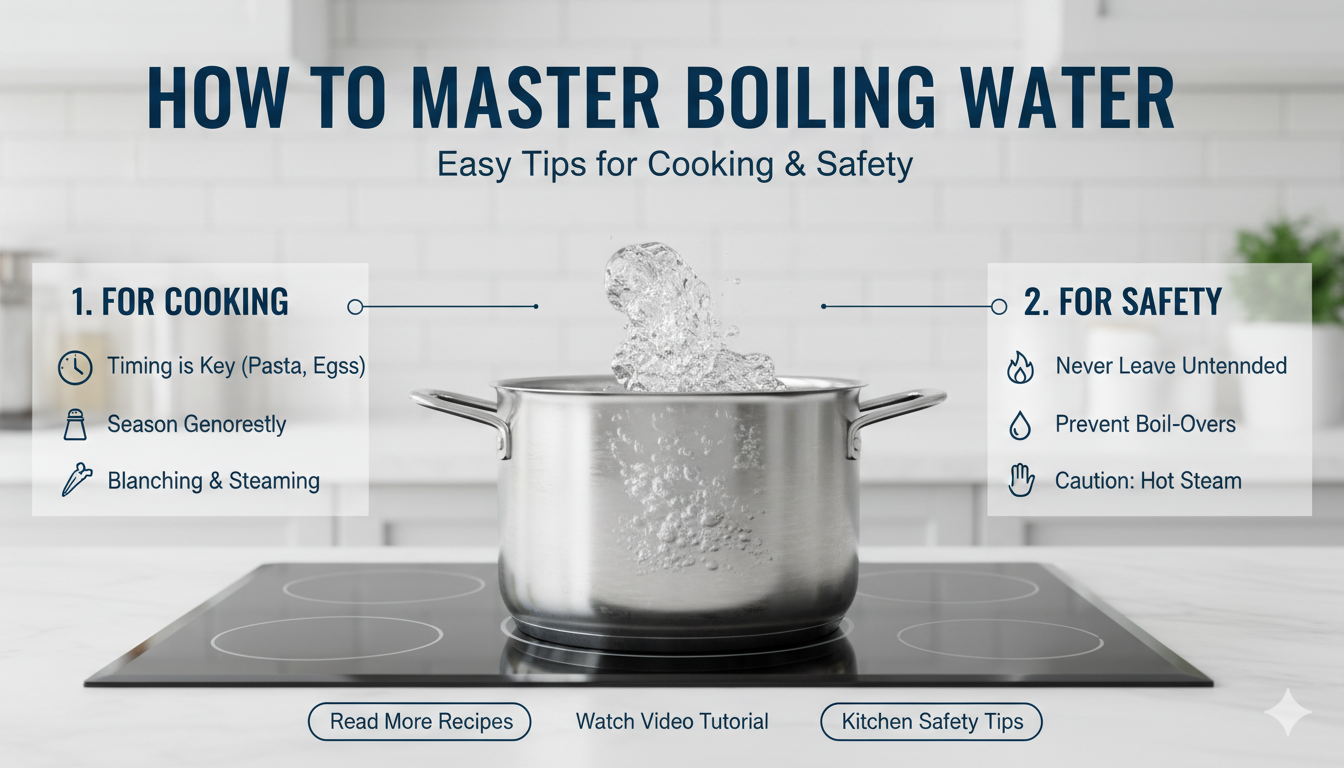
Safety is the most important part of working with boiling water. Steam can burn just as badly as the liquid itself. Always turn the handles of your pots toward the back of the stove. This prevents someone from accidentally bumping into them and knocking them over.
I always tell my friends to use oven mitts when moving a hot pot. Even if the handle feels cool, the steam rising up can be very hot. If you are teaching a child how to cook, make sure they stand back a few feet. Watching the bubbles is fun, but staying safe is the priority.
Does Adding Salt Make it Faster?
You might have heard that adding salt to your boiling water makes it get hot faster. This is actually a tiny bit of a myth! While salt does change the boiling point, you would need a huge amount of salt to see a real difference in time.
The real reason chefs add salt is for flavor. When you boil pasta or vegetables, the salt gets inside the food and makes it taste better from the inside out. So, go ahead and add a pinch of salt, but do it for the taste, not to save time!
The Best Pots for the Job
Not all pots are created equal when you need boiling water quickly. Copper and aluminum pots heat up very fast. Stainless steel is great because it is tough and easy to clean, but it might take a minute longer to reach that rolling boil.
If you are in a rush, putting a lid on your pot is the best trick. The lid traps the heat inside so it can’t escape. This makes the boiling water ready much faster than if the pot was open to the air. It’s a simple trick that saves energy and time.
Purifying Water for Drinking
If you need to make sure your tap water is extra clean, boiling water is a trusted method. Experts recommend letting the water reach a “rolling boil” for at least one full minute. A rolling boil means the bubbles are big and don’t stop even when you stir the water.
Once the minute is up, let the water cool down completely before you drink it. You can pour it back and forth between two clean containers to put some air back into it. This makes the water taste much fresher. It is a great skill to have in case of an emergency.
Common Mistakes to Avoid
One big mistake is overfilling the pot. When boiling water starts to move, it needs extra space. If the pot is too full, it will splash over the sides and make a mess on your stove. It could even put out the flame on a gas stove, which is dangerous.
Another mistake is using hot water from the tap to start. Some people think this saves time, but hot tap water can sometimes carry more minerals from your pipes. It is usually better to start with cold, filtered water and let the stove do the heating for you.
Fun Science Experiments
You can do cool things with boiling water to learn about science. For example, have you seen people throw a cup of hot water into freezing cold air? It turns into a cloud of ice instantly! This happens because the tiny droplets evaporate and freeze super fast.
Always make sure an adult is helping with these experiments. It shows how much energy is inside boiling water. It isn’t just for making noodles; it is a powerful force of nature that we get to control in our kitchens every day.
Using a Kettle vs. a Pot
For a single cup of tea, an electric kettle is the king of boiling water. It is designed to be very efficient and usually turns itself off when it’s done. This prevents the kettle from “boiling dry,” which can damage the heating element.
Pots are better when you need to add ingredients while the water is hot. You can’t really cook a potato inside a tea kettle! Knowing which tool to use makes your life in the kitchen much easier and more organized.
Conclusion: You Are Now a Pro!
Now you know that boiling water is about more than just bubbles. It is a mix of science, safety, and great cooking. From the temperature of 212 degrees to the trick of using a lid, you have all the tools to be a kitchen master. Just remember to be careful with the steam and always watch your pot.
Whether you are preparing a meal for your family or making sure your drinking water is safe, you can do it with confidence. Keep practicing, stay curious, and enjoy the process of learning. Happy cooking!
Frequently Asked Questions (FAQs)
1. How long does it take for water to boil?
Usually, a medium pot takes about 5 to 10 minutes to reach a boil. Using a lid or a smaller amount of water will make it happen faster.
2. Is boiling water the same as simmering?
No, simmering is gentler. Boiling water has big, active bubbles, while simmering just has tiny bubbles that stay mostly at the bottom.
3. Can I boil water in a microwave?
Yes, but be careful! Water can get “superheated” and splash when you touch it. Putting a wooden stir stick in the cup can help prevent this.
4. Why does my water taste different after boiling?
Boiling removes some of the oxygen. If you let it cool and shake it up, the taste will return to normal.
5. Does altitude really change the boiling point?
Yes! For every 500 feet you go up, the boiling point drops about 1 degree. People in high cities like Denver have to cook food longer.