
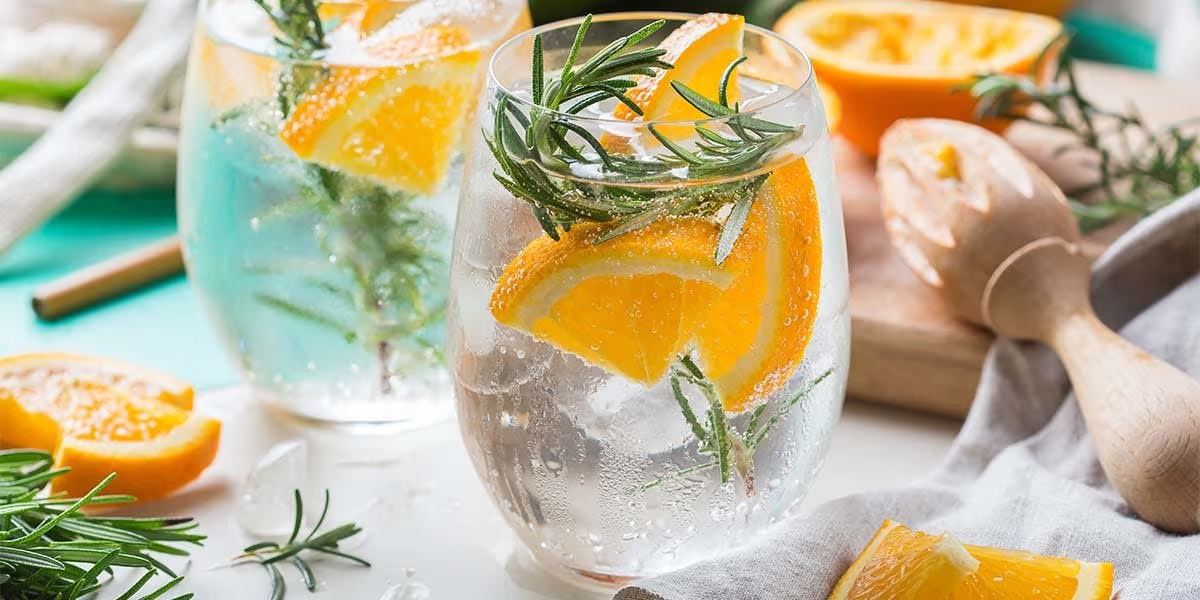
Have you ever wondered why some bubbles taste a little bit bitter? That unique flavor comes from tonic water. It is a bubbly drink that people all over the world love to use in their favorite cocktails. When I first tried it as a kid, I thought it was just regular soda water, but I quickly learned it has a very special personality. Unlike plain sparkling water, tonic water has a distinct “bite” that makes it stand out in a glass.
In this guide, we are going to explore everything about this fizzy mixer. We will look at where it came from, what is actually inside the bottle, and why it glows under blue light! Whether you are making a fancy drink for a party or just curious about the bubbles, there is so much to learn. Let’s dive into the history and science of tonic water so you can become an expert at your next dinner conversation.
What Exactly is Tonic Water?
To put it simply, tonic water is a carbonated soft drink. However, it is very different from ginger ale or lemon-lime soda. The most important thing to know is that it contains quinine. This is a natural compound that comes from the bark of the cinchona tree. Years ago, people used this drink as medicine to stay healthy in tropical places. Today, we drink it because that bitterness tastes great when mixed with sweet or sour flavors.
Modern tonic water is much tastier than the old versions. Manufacturers add sugar or high-fructose corn syrup to balance out the bitter quinine. They also add a hint of citrus, like lime or lemon, to make it refreshing. When you take a sip, you get a mix of sweet, sour, and bitter all at once. It is a complex drink that tickles your tongue and keeps you coming back for more.
The Secret History of Quinine
The story of tonic water is actually an adventure. Long ago, British soldiers traveling to India needed to take quinine to prevent malaria. The problem was that quinine by itself tasted terrible and very bitter. To make it easier to swallow, the soldiers started mixing it with soda water, sugar, and a splash of gin. This was the birth of the famous “Gin and Tonic” cocktail that people still love today.
Over time, companies realized they could sell this mixture in bottles. They reduced the amount of quinine so it was safe and tasty for everyone. Even though we don’t use it as medicine anymore, the tradition of drinking tonic water stayed alive. It moved from the medicine cabinet to the beverage aisle. Now, you can find many different brands, each with its own secret recipe of herbs and sugars.
How Does It Taste?
If you drink tonic water by itself, you will notice a sharp, dry taste. It is not like a sugary cola. Instead, it feels very crisp and sophisticated. The bitterness hits the back of your throat, while the sugar coats your tongue. Many people describe the flavor as “bright.” This is because the bubbles help carry the citrus scents to your nose as you drink.
I remember the first time I made a mocktail with tonic water. I added a slice of grapefruit and some rosemary. The way the bitter quinine played with the tart fruit was amazing! It is a great choice for adults who want a drink that isn’t too sweet. It feels more “grown-up” than a regular soda. Because it has a strong flavor, it holds up well when you add ice and garnishes.
Is Tonic Water the Same as Club Soda?
This is a question I hear all the time! The answer is no. While both have bubbles, they are very different. Club soda is just water with added minerals like salt or baking soda to make it taste clean. It has no bitterness at all. On the other hand, tonic water is a flavored drink with calories, sugar, and quinine. You cannot really swap one for the other without changing the taste of your drink.
If you use club soda in a recipe that calls for tonic water, your drink will taste flat and boring. You would miss that signature “zing.” Think of club soda as a blank canvas and tonic water as a pre-painted masterpiece. One provides the fizz, while the other provides the fizz plus a huge punch of flavor. Always check the label before you buy!
Why Does It Glow in the Dark?
This is one of the coolest science facts about tonic water. If you take a bottle into a room with a blacklight (UV light), the liquid will glow a bright, neon blue! This happens because of the quinine. The molecules in quinine soak up the invisible UV light and spit it back out as visible blue light. It looks like magic, but it is just physics.
Many people use this trick for Halloween parties. You can make glowing ice cubes or “spooky” punch just by using tonic water. Just remember that the glow only works under a special blue UV light. In normal sunlight, it looks like clear water. It is a fun way to impress your friends while you are serving up refreshments.
Different Types of Tonic Water
Not all bottles of tonic water are the same. Today, we have many choices. You can buy “Indian Tonic,” which is the classic style. There is also “Mediterranean Tonic,” which uses more herbs like thyme and rosemary. These are great if you want a lighter, more floral taste. Some brands even make “Elderflower Tonic” for a sweet, flowery experience.
If you are watching your sugar, you can look for diet tonic water. This uses artificial sweeteners instead of sugar. It still has the bitter quinine taste but without the extra calories. There are also “premium” brands that use real cane sugar and natural quinine. These often have smaller bubbles and a smoother finish. Trying different brands is a fun way to find your favorite flavor.
Best Ways to Mix Tonic Water
The most popular way to use tonic water is in a Gin and Tonic. But you don’t have to stop there! It also tastes great with vodka or even tequila. For a non-alcoholic treat, I love mixing it with fresh orange juice or cold-brew coffee. The bitterness of the coffee and the tonic create a very trendy drink called a “Tonic Espresso.”
When mixing, always use plenty of ice. Tonic water is best when it is ice cold. This keeps the bubbles active for a longer time. You should also add a “garnish.” A garnish is just a fancy word for a piece of fruit or a herb. Lime is the classic choice, but lemon, cucumber, or even black pepper can make your tonic water drink taste like it came from a professional bar.
Is Tonic Water Healthy?
Because it contains quinine, some people wonder if tonic water is a health drink. While it started as medicine, today it is mostly a treat. It does have sugar, so it is important to drink it in moderation. The amount of quinine in a modern bottle is very small and safe for most people. However, if you are sensitive to quinine, you should talk to a doctor.
One benefit of tonic water is that it is a great alternative to heavy alcoholic drinks. If you want to feel like you are having a cocktail without the alcohol, a glass of tonic water with lime is perfect. It looks fancy, tastes complex, and keeps you hydrated. Just be mindful of the calories if you are drinking several glasses in one night.
How to Store Your Tonic Water
To keep your tonic water fizzy, you must store it correctly. Always keep the cap on tight! Once you open a bottle, the carbonation starts to escape. It is best to buy small bottles or cans if you only plan to have one drink. This way, every glass you pour is fresh and full of bubbles. Nobody likes a flat drink!
Keep your bottles in a cool, dark place. The refrigerator is the best spot. If tonic water gets too warm, it can’t hold onto the bubbles as well. When you pour it, try to tilt the glass. This helps keep the “fizz” inside the liquid instead of letting it all splash out. Proper storage ensures that every sip is as refreshing as the first one.
The Future of Tonic Water
The world of tonic water is growing every year. New companies are popping up with wild flavors like ginger, hibiscus, and yuzu. People are becoming more interested in “craft” mixers. This means they want high-quality ingredients and less chemicals. We are seeing more organic options and drinks with less sugar hitting the shelves.
It is an exciting time for fans of fizzy drinks. You can now find tonic water that is specially designed to pair with specific types of spirits. Some are made to be extra citrusy, while others are extra bitter. As more people look for interesting flavors, tonic water will continue to be a star in the beverage world. It is a classic drink that never goes out of style.
Frequently Asked Questions (FAQs)
1. Does tonic water have a lot of sugar? Most regular brands have about the same amount of sugar as a typical soda. If you want to avoid sugar, look for “light” or “diet” versions.
2. Can I drink tonic water every day? Yes, for most people, it is perfectly safe to enjoy as a treat. Just remember it has calories and sugar like any other soft drink.
3. Why is it called “tonic”? It is called “tonic” because it was originally created as a medicinal tonic to help prevent diseases like malaria.
4. Does tonic water help with leg cramps? Some people believe the quinine helps with cramps, but the amount in modern tonic water is very low. You should ask a doctor for medical advice.
5. Is there caffeine in tonic water? No, most brands are caffeine-free. It is the quinine that gives you a little “pick-me-up” feeling from the flavor, not caffeine.
6. What is the best fruit to put in tonic water? Lime is the most common, but lemon, grapefruit, and even berries taste amazing!
Conclusion
In the end, tonic water is much more than just a mixer. It is a drink with a rich history, a cool scientific glow, and a flavor profile that you can’t find anywhere else. From its early days in the tropics to its place in modern cafes, it has remained a favorite for those who love a bit of bitterness in their life. Next time you see a bottle, remember the cinchona tree and the soldiers who first discovered this bubbly delight.
I encourage you to try a few different brands of tonic water to see which one you like best. Experiment with different fruits and herbs to create your own signature drink. Whether you are relaxing at home or celebrating with friends, the crisp taste of a good tonic is hard to beat.