
Introduction: Treasures That Have Fascinated Humanity for Centuries
Throughout human history, people have been captivated by rare and valuable natural treasures. From the glittering brilliance of gemstones to the mysterious formations of crystals and the legendary allure of pirate gold, these materials have captured imaginations across cultures and generations. They appear in ancient myths, royal crowns, archaeological discoveries, and countless adventure stories that continue to influence modern entertainment and literature.
Although precious stones, crystals, and pirate gold are often grouped together as symbols of wealth or mystery, they are fundamentally different in their origins, composition, and cultural significance. Each represents a unique category of natural or historical treasure. Understanding these differences helps explain why these objects have held such powerful influence in both historical economies and popular culture.
While precious stones represent rare beauty, crystals embody natural structure and energy, and Pirate Gold symbolizes adventure and hidden wealth, all three share a deep connection with humanity’s enduring fascination with treasure.
Precious Stones: Nature’s Rare and Valuable Gems
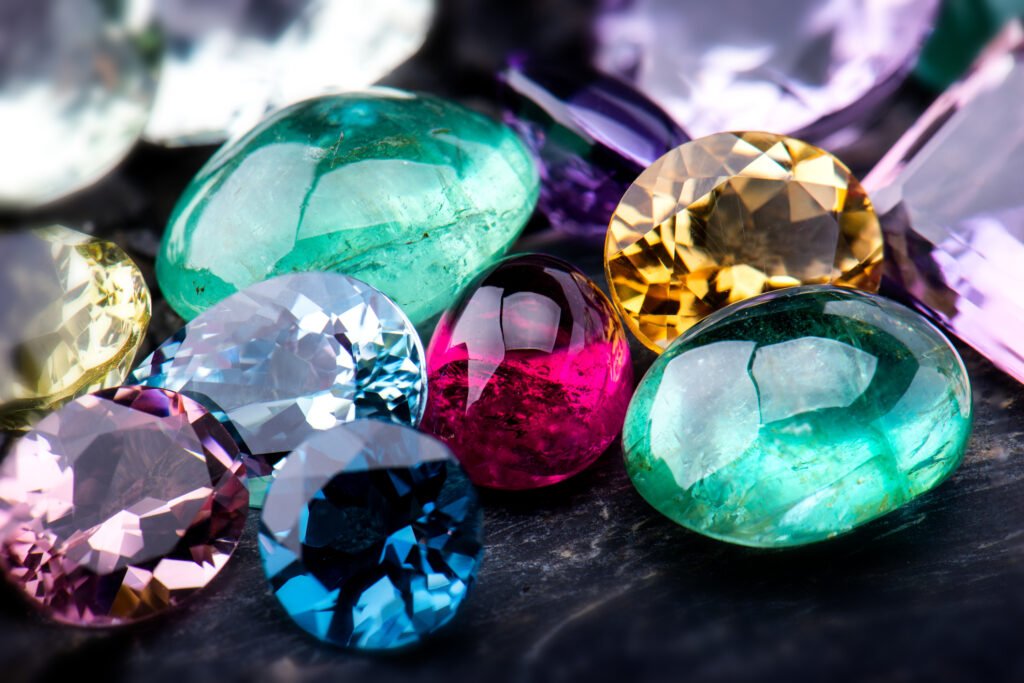
Precious stones, commonly referred to as gemstones, are naturally occurring minerals that are highly valued for their beauty, rarity, and durability. Throughout history, only a small group of gemstones has traditionally been considered truly “precious.” These include diamonds, rubies, sapphires, and emeralds. Their exceptional clarity, vibrant colors, and resistance to scratching have made them highly sought after for jewelry and royal decorations.
The formation of precious stones is a geological process that takes millions of years. Extreme pressure and temperature conditions deep within the Earth cause certain minerals to crystallize in ways that produce brilliant colors and unique internal structures. When these stones are eventually brought closer to the Earth’s surface through volcanic activity or tectonic shifts, they can be discovered and mined.
Once extracted, gemstones are usually cut and polished to enhance their brilliance. Skilled gem cutters shape the stones into facets that reflect light, creating the sparkling appearance that makes gemstones so visually striking. This process transforms raw mineral specimens into luxurious items used in rings, necklaces, crowns, and ceremonial objects.
Beyond their physical beauty, precious stones have also held symbolic meanings in many cultures. Diamonds have long represented strength and eternal love, rubies are often associated with passion and vitality, sapphires symbolize wisdom and nobility, and emeralds are linked to growth and renewal. These symbolic associations have contributed to the enduring prestige of precious stones in societies around the world.
Crystals: Natural Structures with Scientific and Cultural Importance
Crystals are often confused with gemstones, but they represent a broader category of minerals defined by their internal atomic structure. A crystal forms when atoms arrange themselves in highly ordered, repeating patterns. This structure creates the distinctive geometric shapes commonly associated with crystal formations.
Unlike precious stones, crystals do not always possess high monetary value. Many crystals are relatively common and can be found in a variety of natural environments. Quartz, for example, is one of the most abundant minerals on Earth and forms crystals in numerous colors and varieties. Amethyst, citrine, and rose quartz are well-known examples of quartz crystals that are widely used in decorative items and jewelry.
Crystals are valued not only for their visual appeal but also for their scientific and technological applications. In electronics, quartz crystals play a crucial role in maintaining precise timekeeping in watches and clocks. Their stable vibrational properties allow them to regulate electronic signals with remarkable accuracy.
In addition to scientific uses, crystals have also gained popularity in cultural and spiritual traditions. Many people believe that certain crystals carry energetic properties that can influence emotional balance, mental clarity, or physical well-being. Although scientific evidence for these claims remains limited, the cultural interest in crystal healing continues to grow worldwide.
Crystals therefore occupy a unique position between science, decoration, and spiritual symbolism. Their natural symmetry and variety make them both fascinating natural phenomena and meaningful cultural objects.
Pirate Gold: A Symbol of Adventure and Hidden Wealth
Unlike precious stones and crystals, pirate gold is not a natural mineral category. Instead, it represents a historical and cultural concept rooted in stories of maritime exploration, treasure hunting, and seafaring adventure. Pirate gold typically refers to gold coins, bars, and other valuable items that were stolen or hidden by pirates during the age of oceanic exploration.
During the 16th through 18th centuries, pirates roamed major sea routes, especially in regions such as the Caribbean. These pirates often targeted merchant ships carrying gold, silver, and other valuable cargo transported between continents. After capturing such treasure, pirates sometimes hid their loot on remote islands or coastal areas to avoid detection by naval forces.
Over time, these hidden treasures became the basis for countless legends. Stories of buried pirate gold maps, secret chests, and lost islands filled with treasure became popular themes in literature and folklore. These tales inspired famous adventure novels, films, and games that portray pirates as daring treasure seekers navigating dangerous waters.
In reality, historical evidence suggests that many pirate treasures were spent quickly rather than buried. However, the romantic image of hidden pirate gold has remained a powerful symbol of mystery and adventure in global storytelling.
Differences in Origin and Formation
One of the most significant differences between precious stones, crystals, and pirate gold lies in their origins. Precious stones and crystals are both naturally occurring minerals formed through geological processes over long periods of time. Their formation is influenced by natural forces such as pressure, temperature, and chemical composition within the Earth’s crust.
Pirate gold, on the other hand, is entirely human-related. Gold itself is a naturally occurring metal, but the concept of pirate gold refers to treasure that has been collected, transported, and hidden by people. Its value comes not only from the gold itself but also from the historical and legendary context surrounding it.
Precious stones and crystals are therefore products of natural geology, while pirate gold is primarily a cultural and historical artifact.
Differences in Value and Usage
Another key distinction involves how these treasures are valued and used. Precious stones are typically valued based on factors such as rarity, clarity, color, and size. Gemstones are widely used in luxury jewelry and often serve as investment assets due to their long-term value.
Crystals may sometimes be used in jewelry as well, but they often have additional applications in science, technology, and decoration. Because many crystals are more common than precious gemstones, their monetary value can vary widely.
Pirate gold, meanwhile, derives its value mainly from the gold content itself. Gold has long been used as a form of currency and a store of wealth. Coins and bars made from gold have historically served as reliable economic assets during times of financial uncertainty.
However, when pirate gold is discovered in shipwrecks or archaeological sites, its historical significance can make it even more valuable to collectors and museums.
Cultural Influence and Symbolism
Each of these treasures carries its own unique cultural symbolism. Precious stones have long been associated with royalty, luxury, and celebration. They frequently appear in royal crowns, engagement rings, and ceremonial jewelry.
Crystals are often linked with natural beauty, balance, and spirituality. Their geometric formations and translucent colors make them visually captivating, and their presence in cultural traditions adds to their symbolic importance.
Pirate gold represents something entirely different: the thrill of discovery and the romance of adventure. Stories about hidden treasure and daring explorers have captivated audiences for centuries, making pirate gold a lasting symbol of exploration and mystery.
These distinct cultural meanings help explain why all three forms of treasure continue to capture the imagination of people around the world.
Conclusion: Three Treasures, Three Unique Stories
Precious stones, crystals, and pirate gold may all appear in stories of treasure and wealth, but they represent very different aspects of natural and human history. Precious stones showcase the rare beauty produced by geological processes deep within the Earth. Crystals demonstrate the fascinating structural patterns that occur in mineral formation while also contributing to scientific and technological advancements.
Pirate gold, in contrast, reflects humanity’s adventurous spirit and the historical era of maritime exploration. Its legends of hidden treasure continue to inspire stories that capture the excitement of discovery and danger on the open seas.
By understanding the differences between these three types of treasures, we gain a deeper appreciation for both the natural world and the rich cultural narratives that humans have created around objects of beauty and value. Whether admired in jewelry, studied in science, or imagined in tales of buried treasure, precious stones, crystals, and pirate gold will likely continue to inspire fascination for generations to come.