
Have you ever wondered how to talk about rules that were blocked in the past? English grammar can be tricky, but knowing how to use forbid past tense is a great skill. When we tell someone “no” today, we use the word “forbid.” But when that event happened yesterday or last week, the word changes. Learning the forbid past tense helps you write and speak more clearly. It makes your stories sound right to anyone listening. You will find that mastering this small change makes a big difference in your daily English. Let’s explore this together with simple steps and easy examples.
What is the Past Tense of Forbid?
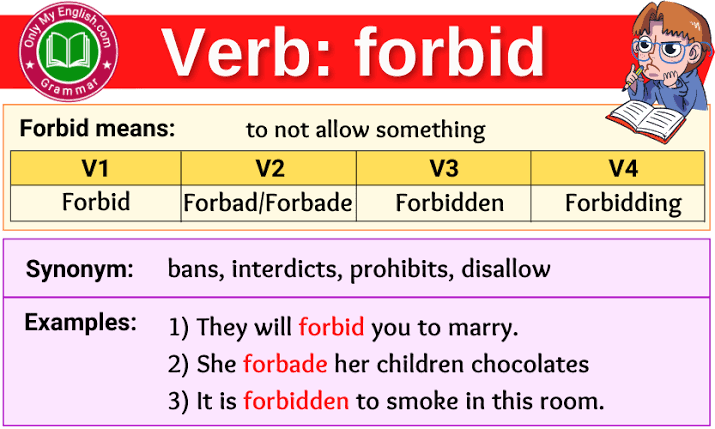
The word “forbid” is an irregular verb. This means it does not just add an “-ed” to the end like many other words. Instead, the forbid past tense is “forbade.” Some people also use “forbad.” Both are okay, but “forbade” is used most often in writing today. You can think of it as a special rule for this specific word. When you want to say something was not allowed yesterday, you use “forbade.” Keeping this simple rule in mind will help you avoid common mistakes.
Using Forbade in a Sentence
Using forbid past tense is easier than you might think. Imagine your teacher said you could not use your phone during class yesterday. You would say, “My teacher forbade the use of phones in class.” It sounds formal and very clear. You are stating a fact about a rule from the past. By using forbid past tense correctly, you show that you understand the timeline of your story. Practice saying it out loud to get used to the sound. It will feel natural very quickly.
The Difference Between Forbid and Forbade
It is very important to know when to use which form. “Forbid” is for things happening right now or all the time. For example, “I forbid running in the hall.” But the forbid past tense “forbade” is for things that already happened. If you use “forbid” when you mean the past, people might get confused. Always look at the time of your sentence first. If the event is over, reach for the word “forbade.” This simple trick keeps your writing sharp and easy to read.
Why Grammar Rules Matter
Learning the forbid past tense is about more than just words. It is about helping others understand your experiences clearly. When we use the right words, our message comes across without any bumps in the road. People trust writers who take care with their language. By practicing the forbid past tense, you are building better habits. You are showing that you care about being accurate. This builds trust with your readers every single time they visit your blog.
Common Mistakes to Avoid
Many learners try to say “forbidded.” This is not the correct forbid past tense form. Because “forbid” is irregular, you must memorize “forbade.” It is very common to make this mistake at first, so do not worry! Just keep practicing until it feels right. You might also see people use “forbidden,” but that is the past participle, which is used differently. Stick to “forbade” for simple past actions. Once you stop saying “forbidded,” your English will sound much more professional and smooth.
Examples in Everyday Stories
Let’s look at more ways to use forbid past tense. Suppose your parents said you could not go out late last Friday. You could say, “My parents forbade me from going out.” Or, think about a library rule from years ago. “The librarian forbade loud talking in the reading room.” Using the forbid past tense helps you describe these past boundaries clearly. It paints a picture of what life was like at that time. Every time you use it, you get better at telling stories.
Improving Your Writing Flow
Good writing is all about flow. Using the correct forbid past tense keeps your reader focused on your story, not your grammar. If you use the wrong form, the reader might stop to figure out what you meant. We want to avoid that! Keep your sentences short and your word choices simple. When you use “forbade” correctly, your sentences move forward smoothly. This makes your blog post much more enjoyable for everyone. Clear language is the key to being a great writer.
Building Your Vocabulary
Knowing the forbid past tense is a big step in building your word bank. The more irregular verbs you learn, the better you become at English. You can even try to find other words that act like “forbid.” Once you start looking, you will find patterns everywhere. Learning these rules takes time, but it is worth it. You will feel proud when you notice yourself using “forbade” without even thinking about it. That is the sign of a true learner!
Writing About Past Rules
If you are writing a biography or a history post, you will use forbid past tense often. History is full of old rules and laws that changed over time. Saying “The leader forbade this action” is a very strong way to make your point. It sounds serious and accurate. Using the forbid past tense helps you set the right tone for your readers. It brings the past to life by showing exactly what was allowed or not allowed back then.
Final Tips for Success
To really master the forbid past tense, try writing five sentences today. Use “forbade” in each one about things that happened to you. Maybe a coach forbade a certain play, or a sign forbade pets in a park. The more you write it, the easier it becomes. Don’t be afraid to make mistakes while you learn. Every mistake is just a chance to get better at English. Stay confident and keep writing!
Biography Table: Understanding Verb Tenses
| Verb Form | Usage | Time Period | Example |
| Forbid | Present Tense | Right Now | I forbid it. |
| Forbade | Past Tense | Yesterday | He forbade it. |
| Forbidden | Past Participle | Completion | It is forbidden. |
Frequently Asked Questions (FAQs)
1. Is “forbade” the only past tense for “forbid”? Yes, “forbade” is the standard forbid past tense. “Forbad” is also accepted, but it is less common in modern English.
2. Can I say “forbidded” when speaking? No, “forbidded” is not a word. Always use “forbade” when you are talking about the past to sound correct.
3. When should I use “forbid” instead of “forbade”? Use “forbid” for things happening now or regularly. Use “forbade” only for things that have already happened.
4. Is “forbidden” used as a past tense? No, “forbidden” is the past participle. You use it with words like “has,” “have,” or “had.”
5. Why is “forbid” an irregular verb? It is irregular because it does not follow the standard rule of adding “-ed.” It changes its spelling completely.
6. How can I practice using these words? The best way is to write short sentences about your day and try to include “forbade” in your stories!
What do you think? Now that you know how to use the forbid past tense, why not try writing your own sentence below? I would love to see how you use “forbade” in your daily writing. Keep practicing, and you will be an expert in no time! Do you have any other grammar questions? Let me know, and we can explore them together!