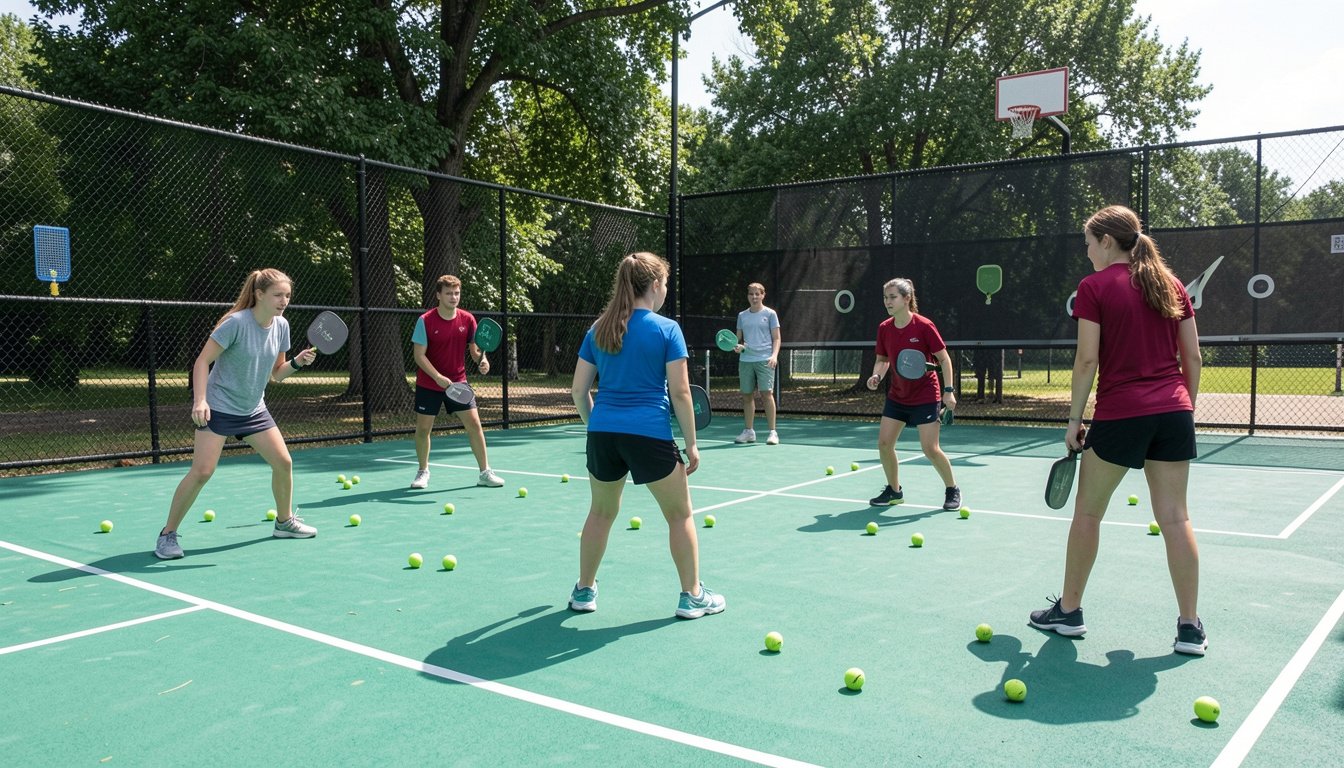
Pickleball is currently the fastest growing sport in America. Millions of players grab their paddles every day to play outside. Playing outside brings fresh air and fun, but it also brings wind, sun, and rough court surfaces.
To enjoy your game, you need the right gear. Choosing high-quality outdoor pickleballs makes a huge difference in how your game feels. Standard indoor balls will crack quickly on asphalt or concrete courts.
In this guide, we will break down everything you need to know about outdoor pickleballs. We will cover how they are built, how they handle wind, and how to select the best ball for your play style.
Quick Specification Guide for Outdoor Pickleballs
Here is a handy overview table showing key facts about official outdoor balls. This snapshot helps you understand the main specs before buying your next pack.
| Feature | Official Specification |
|---|---|
| Average Weight | 0.88 to 0.93 ounces |
| Number of Holes | Standard 40 drilled holes |
| Plastic Material | Hard smooth poly-plastic |
| Standard Diameter | 2.87 to 2.97 inches |
| Court Surface | Concrete, asphalt, textured acrylic |
| Weather Resistance | Built for breeze and temperature shifts |
What Makes Outdoor Pickleballs Different From Indoor Balls?
Indoor and outdoor balls look similar, but they perform very differently. Indoor balls are softer and lighter. They usually have 26 larger holes. They move slower through smooth gymnasium air.
On the other hand, outdoor pickleballs are made from harder, thicker plastic. They feature 40 smaller drilled holes. This design lets them cut through breezy weather without drifting off target.
When you hit outdoor pickleballs, they bounce higher and move much faster. The harder surface handles rough ground well, but it also means the ball wears out faster than soft indoor balls.
Why the 40-Hole Pattern Matters for Outdoor Play
The small holes drilled into outdoor pickleballs are engineered for airflow. Wind can easily ruin a good rally if your gear is too light.
With 40 smaller holes, the wind passes through the ball evenly. This keeps your shots straight and accurate even on breezy afternoons.
Manufacturers drill these holes precision-style to maintain perfect symmetry. A balanced ball flies straight, bounces true, and keeps your games competitive and fair.
Understanding Ball Hardness and Durable Plastic
The plastic composition in outdoor pickleballs determines how long they last. Outdoor courts act like sandpaper against soft gear.
Engineers use heavy-duty molded plastic for these balls. The tough shell resists scuffs, cracks, and structural warping.
However, colder weather can make hard plastic brittle. Playing with outdoor pickleballs in freezing temperatures makes them crack faster, so keeping your spare gear warm in your bag helps them last longer.
Harder outdoor balls deliver fast bounces and sharp feedback off the paddle face. Source: Fresh Pickle
How Ball Weight Affects Speed and Control
Weight plays a major role in your shots. Outdoor pickleballs usually weigh around 0.9 ounces, making them slightly heavier than indoor options.
That extra weight gives you more shot power. Drives fly faster across the net, and smashes feel crisp off the paddle.
The main trade-off is control. Dinking near the kitchen line requires a soft touch, and heavier outdoor pickleballs take some practice to control delicate drop shots softly.
Color Choices for Maximum Court Visibility
You will see outdoor pickleballs in bright neon colors. Bright yellow, optic green, orange, and white are the most popular choices.
Bright colors help you spot the fast-moving ball against grey asphalt or blue acrylic courts. Neon yellow is by far the most popular choice for daytime play.
If you play late under stadium lights, neon green or bright orange balls stand out well against dark shadows. White balls work great for overcast days.
Crack Resistance and Crack Prevention Tips
Every player hates when a fresh ball cracks mid-game. Hard court surfaces naturally wear down outdoor pickleballs over time.
To extend ball life, avoid playing on icy or freezing courts. Store your extra balls inside your house rather than leaving them in a cold car trunk overnight.
Rotating three or four outdoor pickleballs during long practice sessions spreads out the wear evenly. This simple habit keeps your gear fresh for much longer.
Matching Ball Type to Your Skill Level
Beginner players often prefer slightly softer outdoor pickleballs. Softer balls travel a bit slower, giving new players more time to react and setup shots.
Advanced players usually pick firm, seamless outdoor pickleballs. Harder options travel fast, pop loudly, and allow aggressive spin control.
Choosing the right ball match makes learning easier for beginners while giving advanced players the speed and power they want.
USA Pickleball Tournament Approval Guidelines
If you plan to enter local tournaments, make sure your gear meets official standards. USA Pickleball tests and approves equipment for tournament play.
Approved outdoor pickleballs must fall within strict weight, bounce height, and size limits. They must also have a smooth, seam-free feel.
Look for the “USA Pickleball Approved” stamp printed on the box. Playing with official outdoor pickleballs ensures your practice matches reflect real tournament conditions.
How Weather and Temperature Impact Ball Bounce
Hot summer weather softens plastic slightly. During hot days, outdoor pickleballs bounce a little lower and feel slightly squishy.
In cold spring or autumn weather, the plastic contracts and hardens. Cold balls bounce higher, fly faster, and crack more easily on hard hits.
Understanding weather shifts helps you adapt your play style. Adjusting your stroke power keeps your shots inside the lines regardless of the season.
How to Clean and Maintain Your Gear
Outdoor courts gather dirt, dust, and tree pollen over time. Dusty outdoor pickleballs lose their surface grip, making spin shots harder to land.
Cleaning your gear is simple. Wash your balls in a bucket of warm water with a drop of mild dish soap. Use a soft towel to wipe off dirt.
Let your outdoor pickleballs dry completely at room temperature. Clean gear looks bright, bounces true, and provides better paddle grip on every serve.
Conclusion: Ready to Play Your Best Game Outside?
Picking high-quality outdoor pickleballs is one of the easiest ways to improve your game. The right weight, hole count, and durability keep your rallies smooth, predictable, and fun. Take care of your equipment, store it at room temperature, and grab a bright color that stands out on your local courts. Grab your paddles, head outside, and enjoy your next match!
Frequently Asked Questions
How many holes should outdoor pickleballs have?
Standard outdoor balls have 40 small drilled holes. This design helps the ball cut through wind and fly straight outside.
How long do outdoor pickleballs usually last?
A good ball lasts anywhere from 3 to 10 intense games depending on court surface, player hit power, and outdoor temperature.
Can I play with outdoor pickleballs on indoor courts?
Yes, you can use them indoors. However, they bounce higher, travel much faster, and feel harder than regular indoor balls.
Why do outdoor pickleballs crack in cold weather?
Cold air makes the plastic hard and brittle. Hard hits against paddle edges or court surfaces cause stiff plastic to split.
Which color ball is easiest to see outdoors?
Optic neon yellow and bright green are the easiest colors to track under bright sunlight on standard blue or green courts.
What is the weight difference between indoor and outdoor balls?
Outdoor balls weigh around 0.88 to 0.93 ounces. They are slightly heavier than indoor options to fight off wind interference.